INDOOR AIR QUALITY AN OVERVIEW
The term "indoor air quality" (IAQ), refers to the environmental conditions inside a building that may affect health, comfort, or performance. IAQ characteristics include the concentrations (amounts) of pollutants in the indoor air such as Volitile Organic Compounds (VOCs), Airborne Particulate Matter (PM2.5), Allergens (dust & pet dander), Mold, as well as air temperature and humidity. The rate of outdoor air supply to a building, i.e., the ventilation rate, is also treated as an IAQ condition because the ventilation rate has a strong influence on the concentration of many indoor air pollutants.
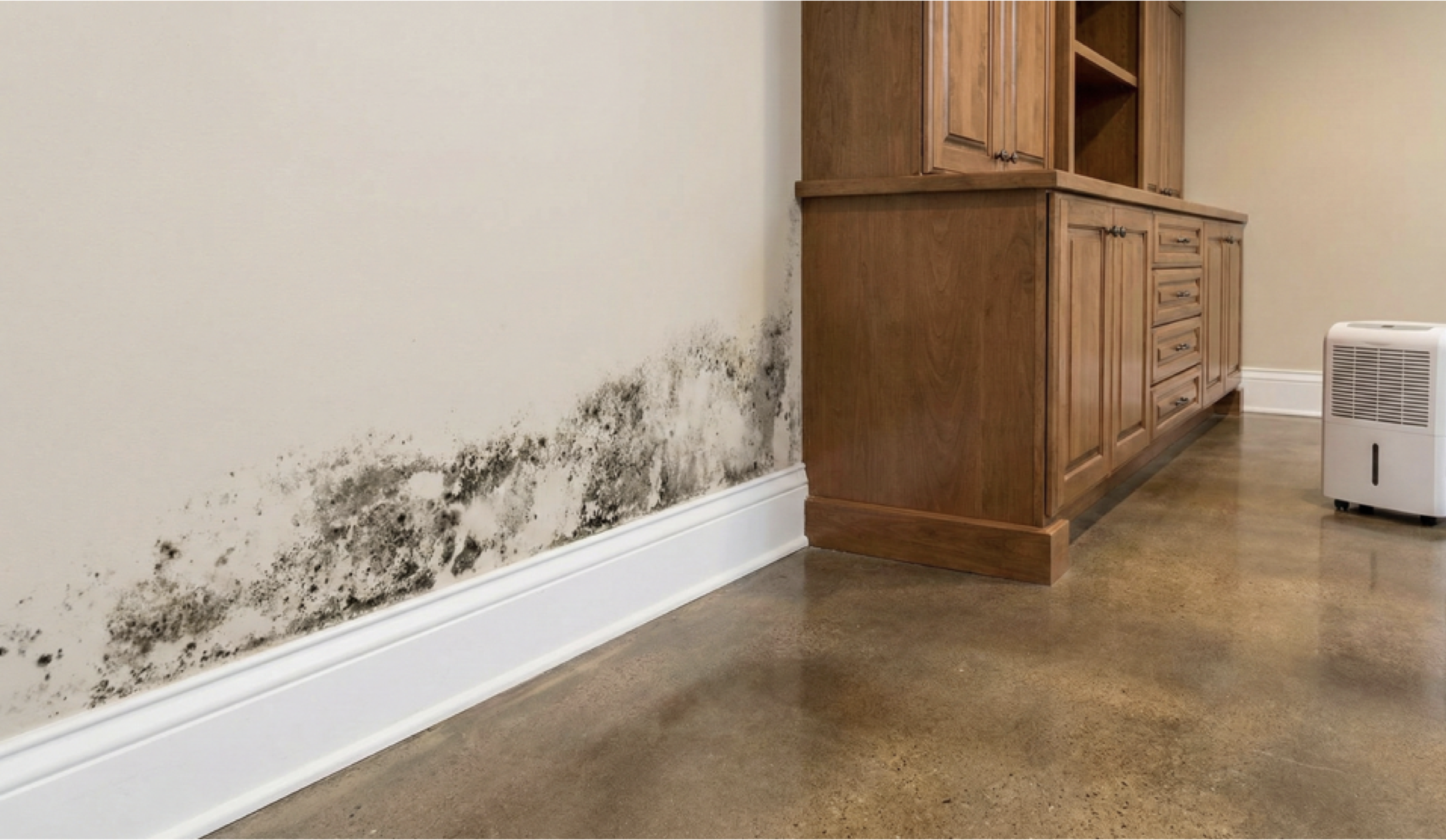
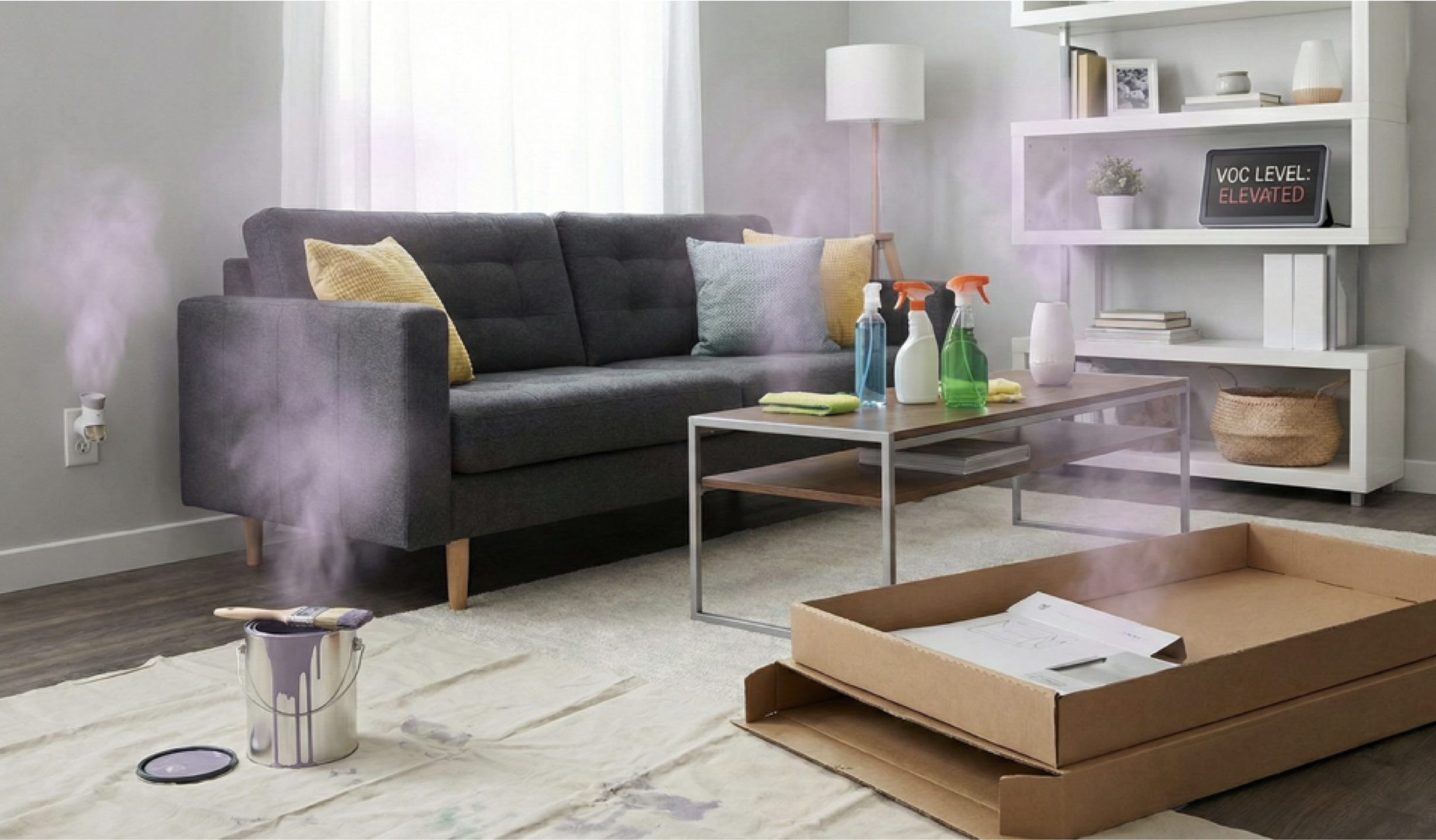
According to Health Canada, since Canadians spend approximately 90% of their time indoors, maintaining good IAQ is essential for long-term wellness. When people are indoors they are not only exposed to air pollutants generated by indoor sources, but also to air pollutants that enter the building with the outdoor air that is brought in by ventilation systems. Examples of indoor-generated air pollutants include gases and particles produced by molds and bacteria that grow indoors on damp surfaces, and VOCs such as Formaldehyde, which are emitted by building materials, paints, new furnishings, and some cleaning products. Car exhaust fumes and Ozone, a reactive gaseous constituent of outdoor air pollution, are examples of outdoor air pollutants that enter a building with the outdoor air that ventilation systems bring inside.
Poor IAQ can affect your comfort, health, work, and schoolwork performance. A broad range of negative health effects have been associated with indoor pollutant exposure. Some of them have been found to increase the risk of some cancers and other serious ailments. Allergies, asthma, the common cold, and influenza are also a common result of chronic indoor pollutant exposure. Compromised indoor air quality contributes to eye, nose, skin and throat irritations, coughs, wheezing, headaches, as well as fatigue. These symptoms are often associated with what is known as sick building syndrome (SBS), or building related symptoms (BRS).
Our General IAQ Diagnostic Assessment provides a deep-dive analysis into the health of your living space, moving beyond simple particle counts to a more accurate broad contaminant data-based investigative approach.
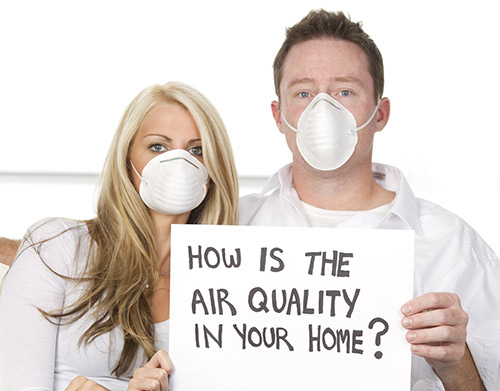
So don’t wait, make sure your indoor living space is safe for you and your family! Call (613)366-5226 to book an appointment today.